

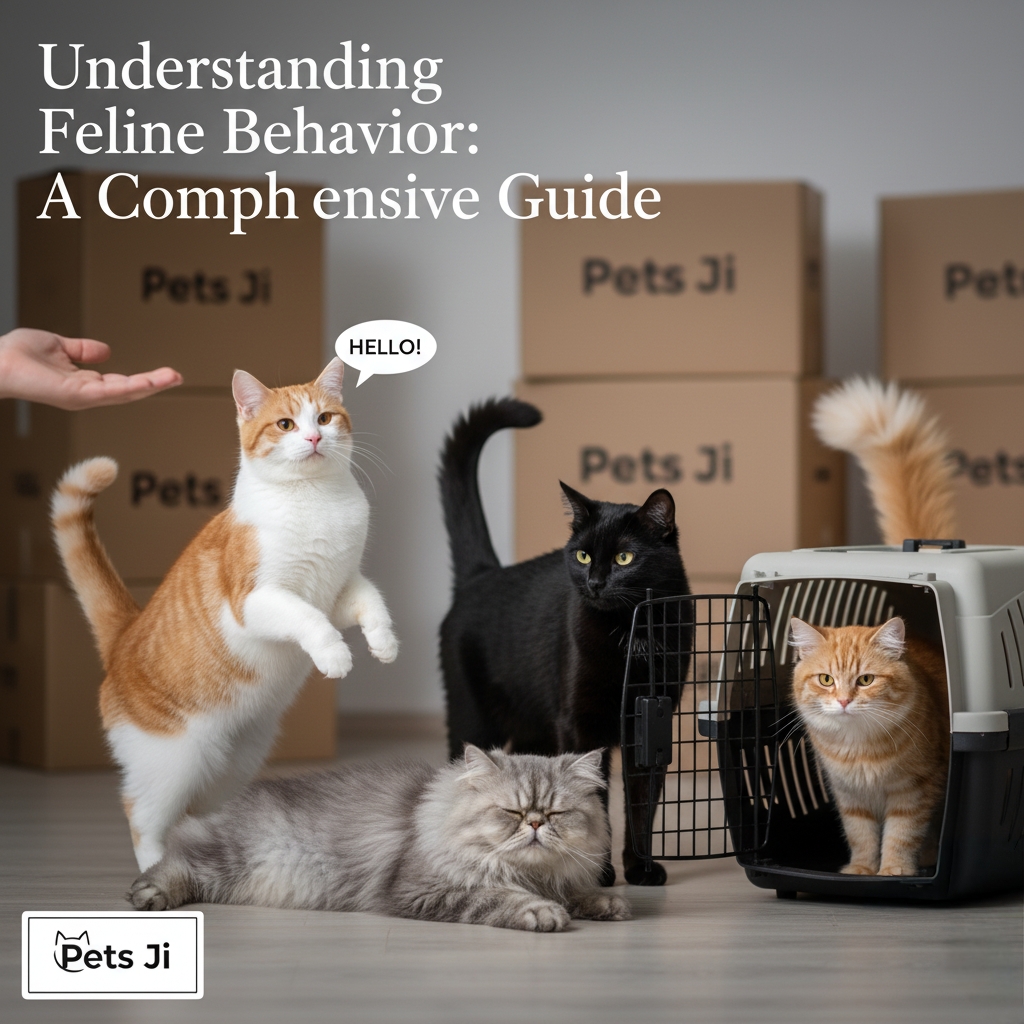
Not every meow is the same. Just as we use different tones and inflections, a cat's meows can tell you a lot about what they want.
The short meow: This is a standard greeting, a simple "Hello!" or "It's good to see you!"
Multiple meows: A more enthusiastic welcome, often a sign of excitement or happiness.
The mid-pitch meow: This is often a polite request for something—food, attention, or a door to be opened.
The long, drawn-out meow (mrrrowww): This can be a more insistent demand or a complaint, such as "Where have you been?" or "I'm bored!"
The low-pitch meow/growl: A signal of unhappiness, discomfort, or loneliness. It's a way for your cat to express that something is not right.
The high-pitch meow/yowl: This sound often indicates pain or distress. If you hear this, it's a sign to check on your cat immediately.
A cat's communication is not just vocal; it's also visual. Their body language provides a rich layer of information.
Tail: The tail is a powerful indicator of emotion. An upright tail with a slight twitch at the end signals a happy and friendly cat. A low, flicking tail can indicate annoyance, while a puffed-up tail is a sign of fear.
Ears: Ears that are forward and alert show interest and happiness. Ears that are swiveled to the side or pinned back against their head are a clear sign of fear, aggression, or irritation.
Eyes: A slow, deliberate blink from your cat is a sign of deep trust and affection. You can return the gesture to show you trust them, too.
Fur: When a cat's fur stands on end, it's a defensive mechanism to appear larger and more threatening. This is a strong signal that they feel scared or threatened. 
While we often associate purring with a contented cat curled up on a lap, it has a more complex purpose. Cats will purr when they are happy, but they also use it to soothe themselves when they are in pain or feeling anxious. This is an important distinction, especially if your cat is in a new environment or recovering from a stressful situation like travel. 
Chirps and Trills: These are sounds a mother cat makes to call her kittens, and they often use them to get your attention or express a friendly invitation to follow them.
Hisses and Spits: These are warning sounds. A hissing cat feels threatened and is telling you to back off.
Howls and Yowls: Usually a sign of distress, pain, or territorial disputes. This is more common in unneutered cats and can signal a serious issue.
Navigating a pet's relocation is a significant life event for both you and your companion. Stress during travel can manifest in various ways, from changes in vocalization to withdrawal or aggression. By understanding your cat's communication, you are better equipped to monitor their stress levels and provide comfort.
At Pets Ji, we are experts in ethical and safe global pet import and export. Our meticulous process is designed to minimize stress for your pet, handling everything from veterinary checks to customs clearance. We're dedicated to ensuring your pet's journey is as seamless as possible, allowing you to focus on their emotional well-being.
Read more about our comprehensive pet relocation services:
Find more articles on pet health and wellness on our blog: